

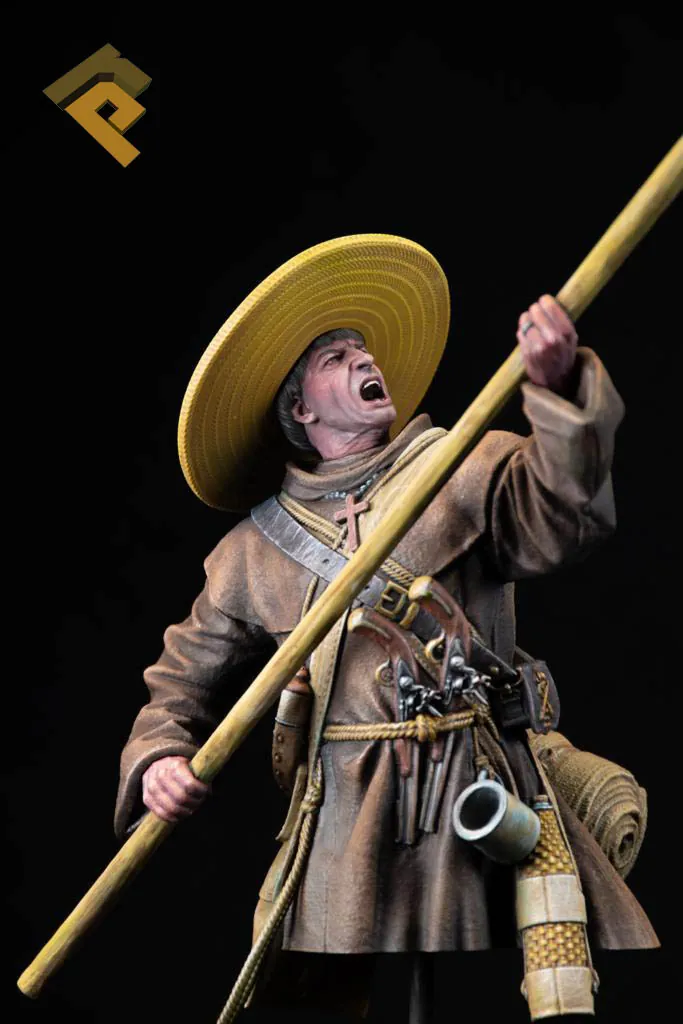
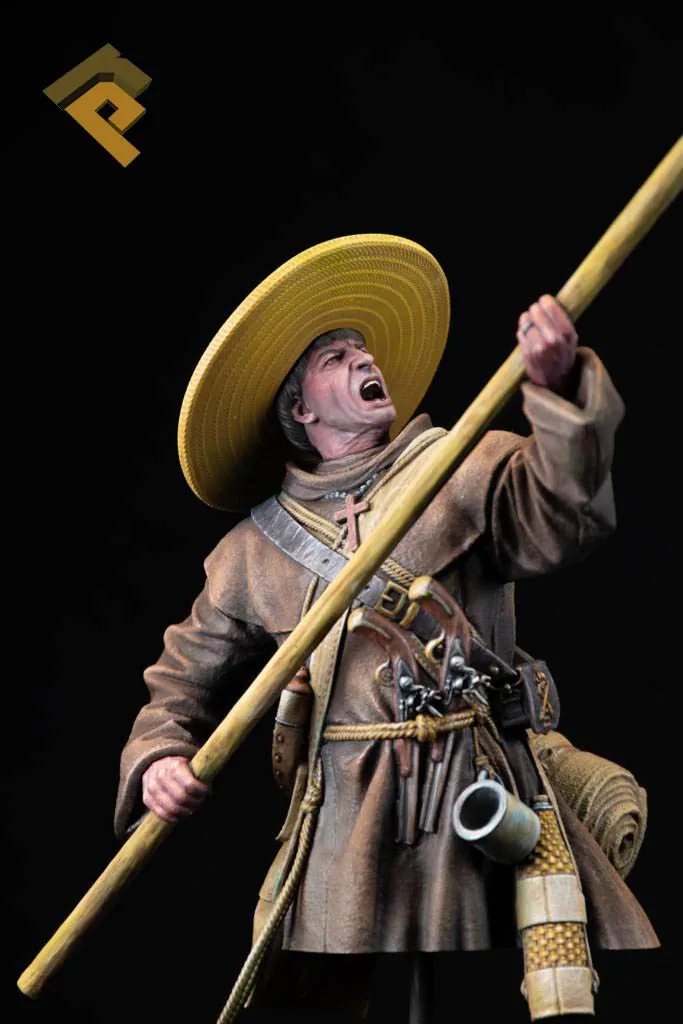
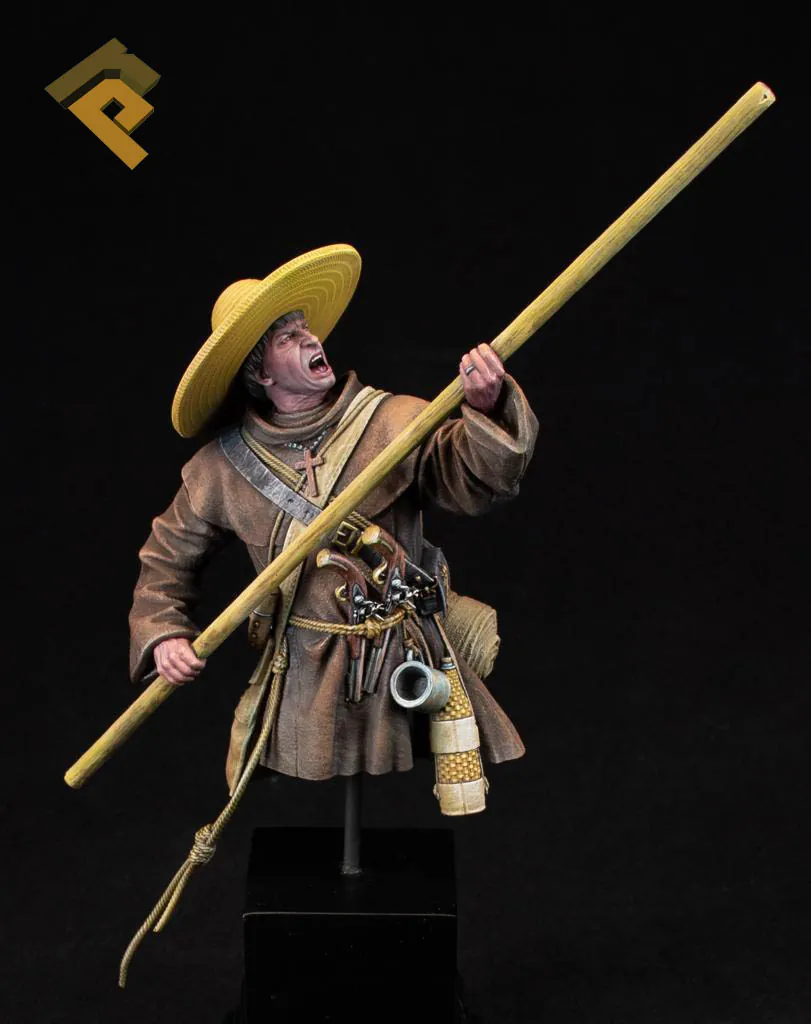
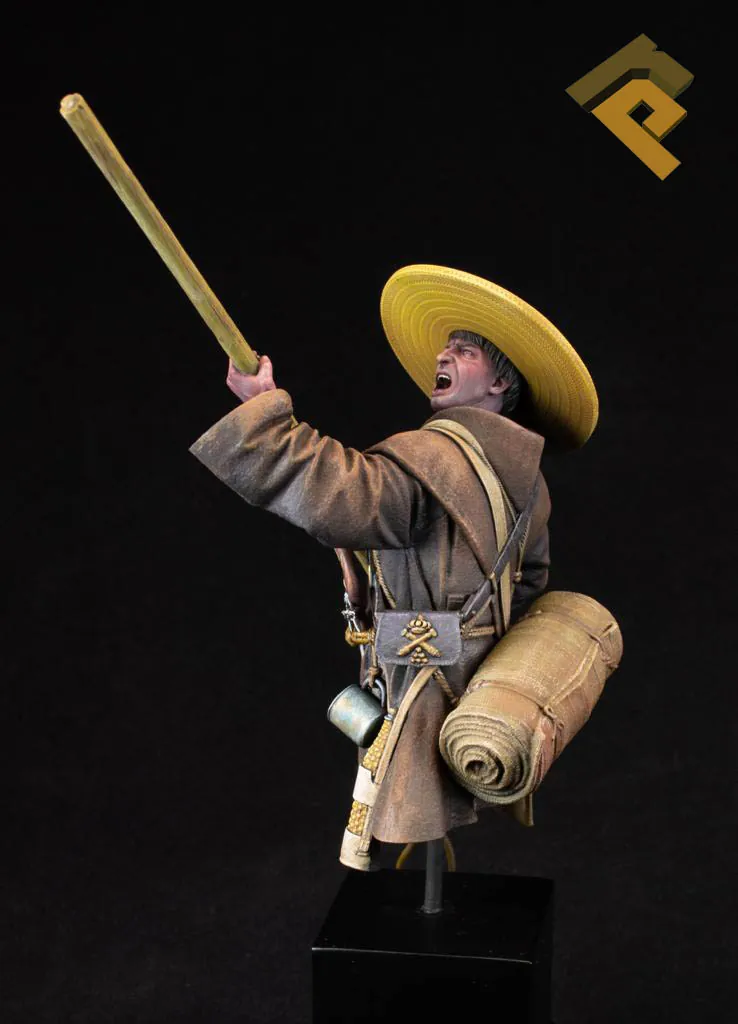
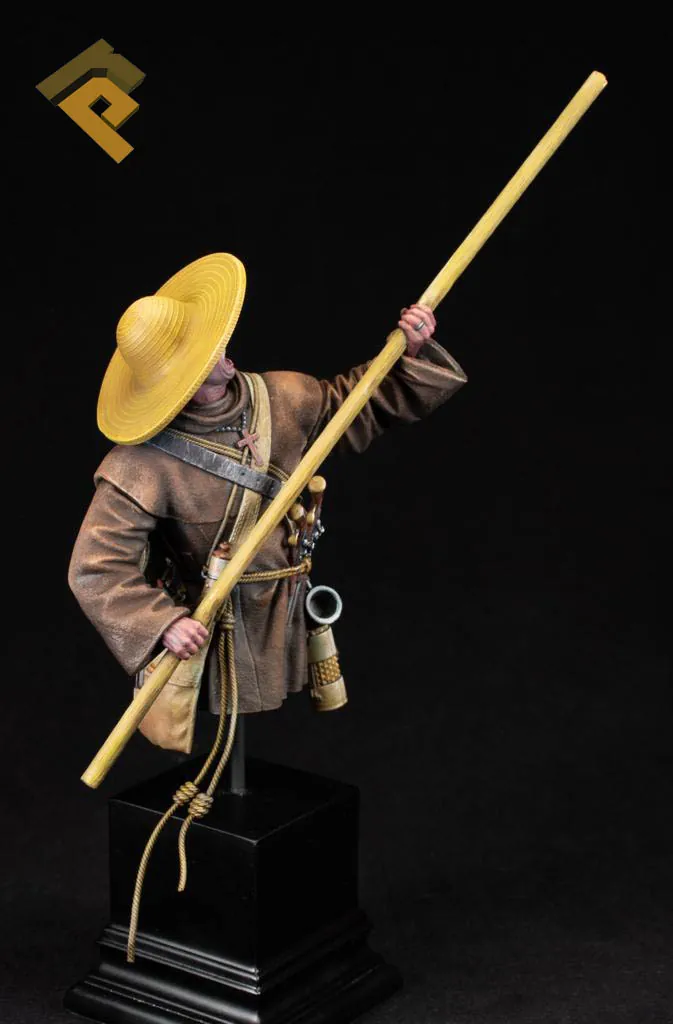
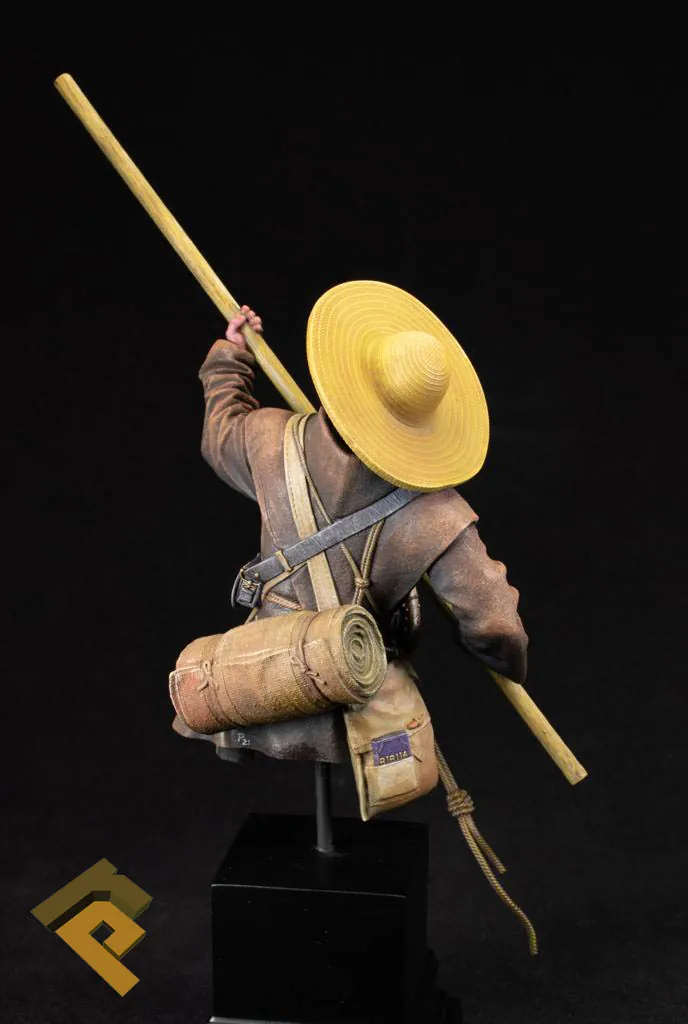
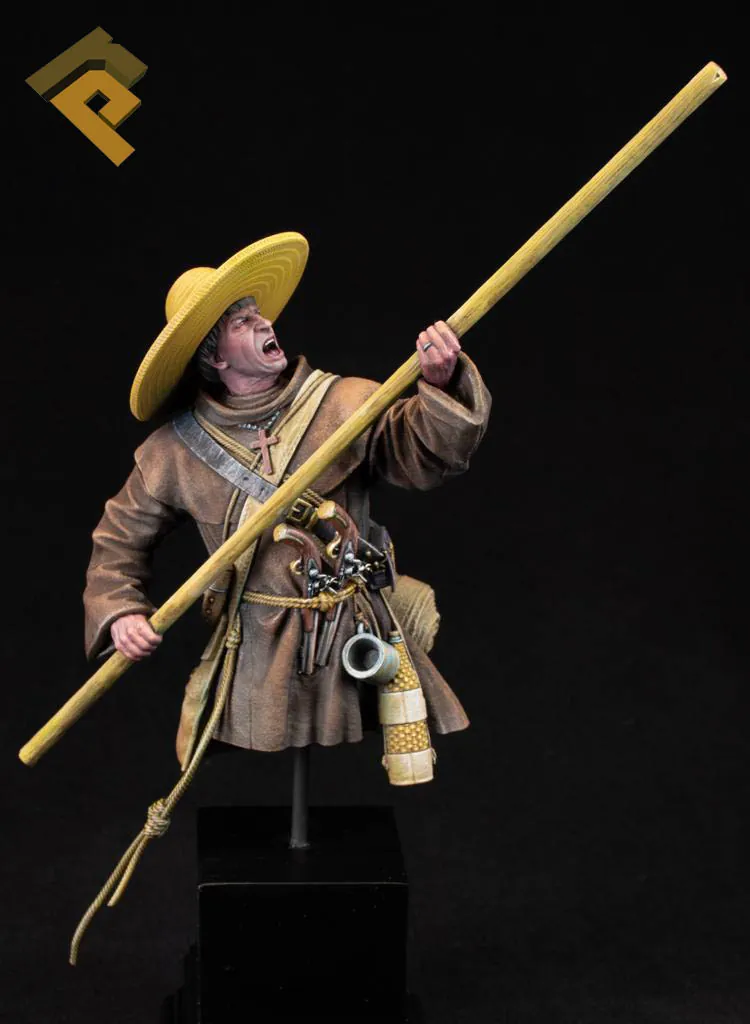
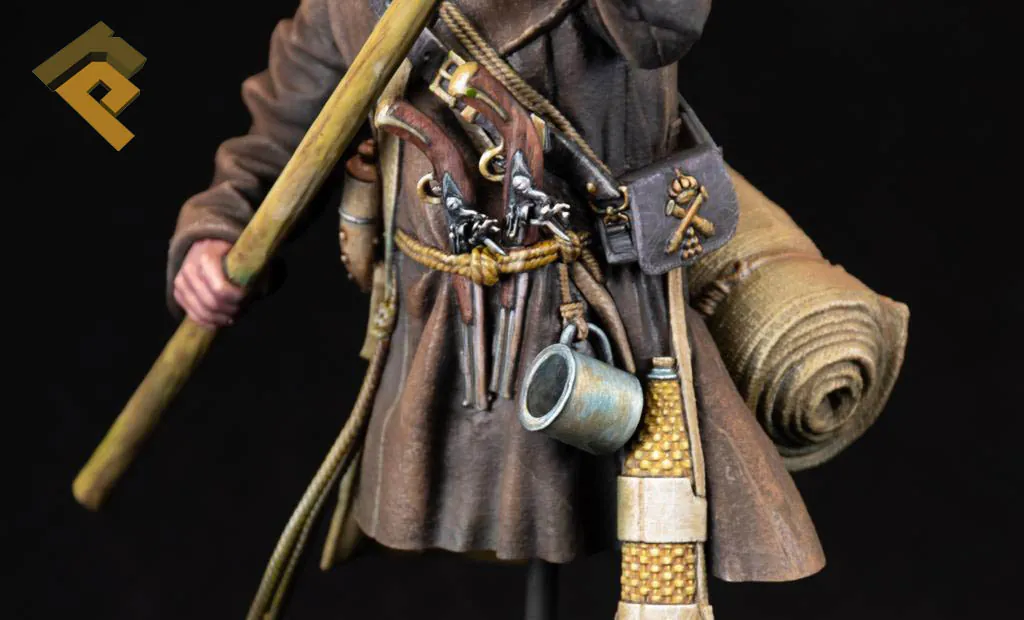
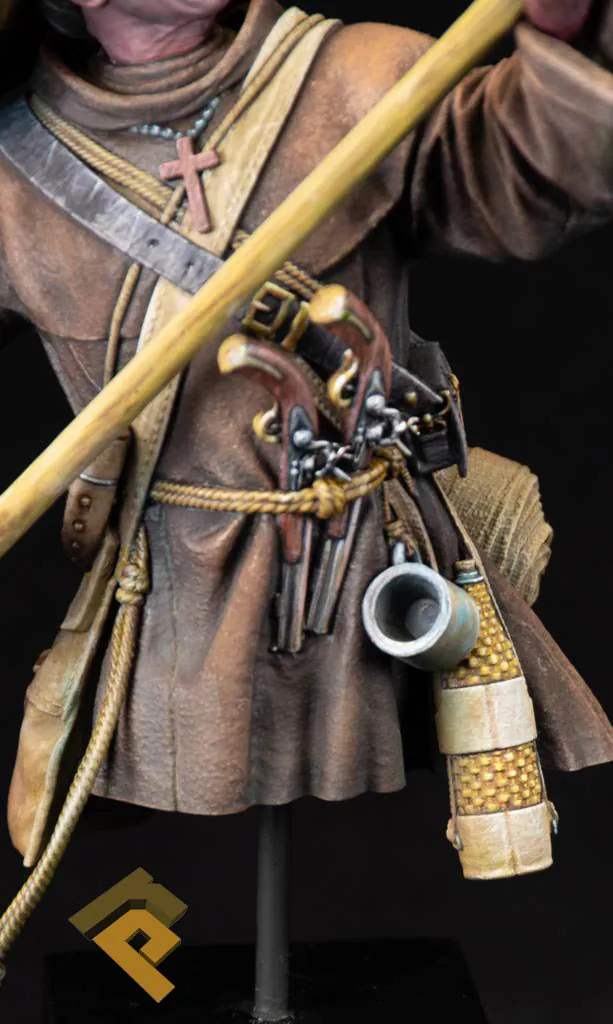
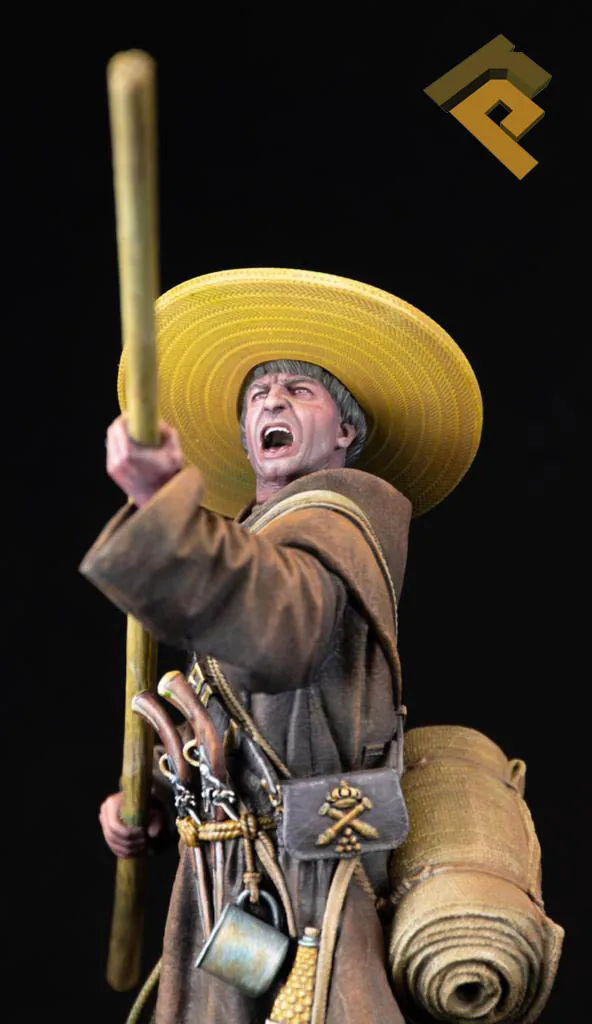
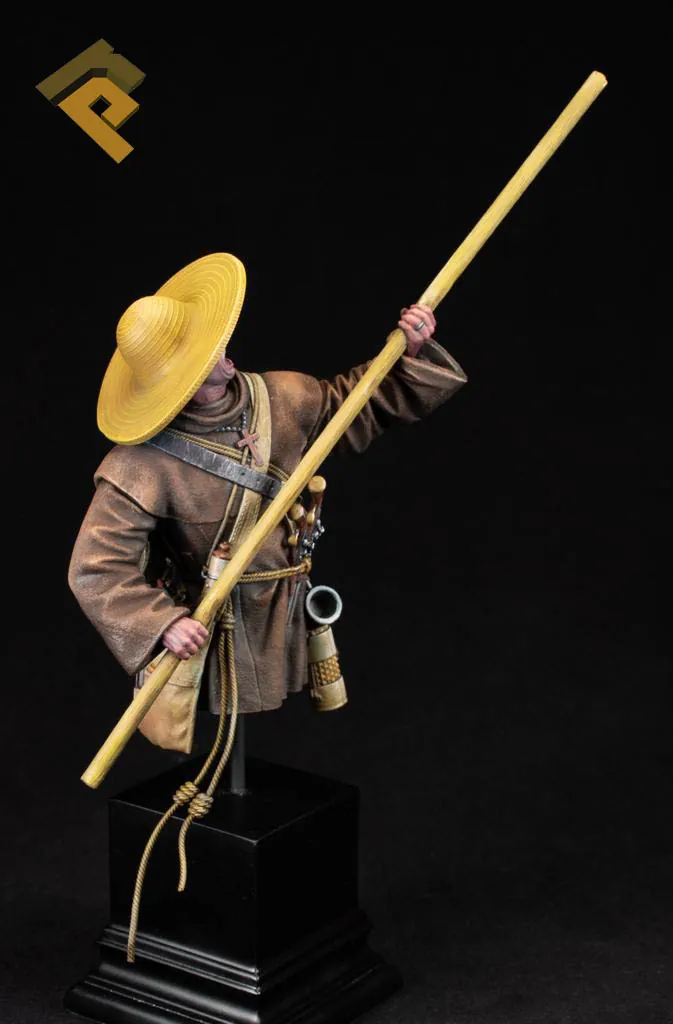
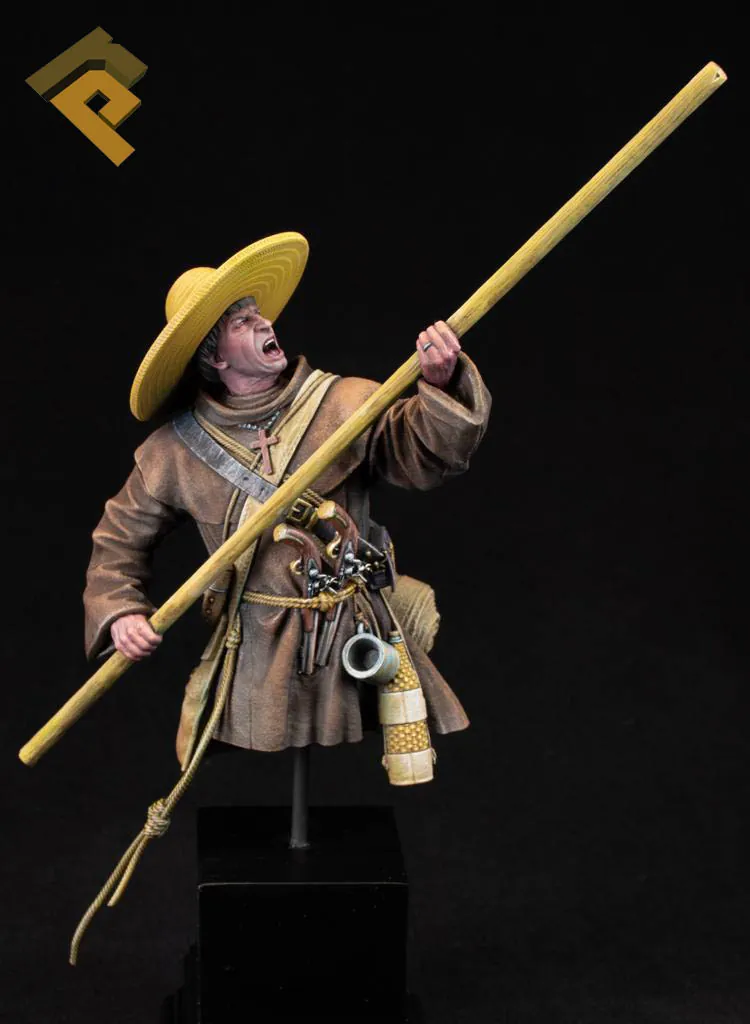
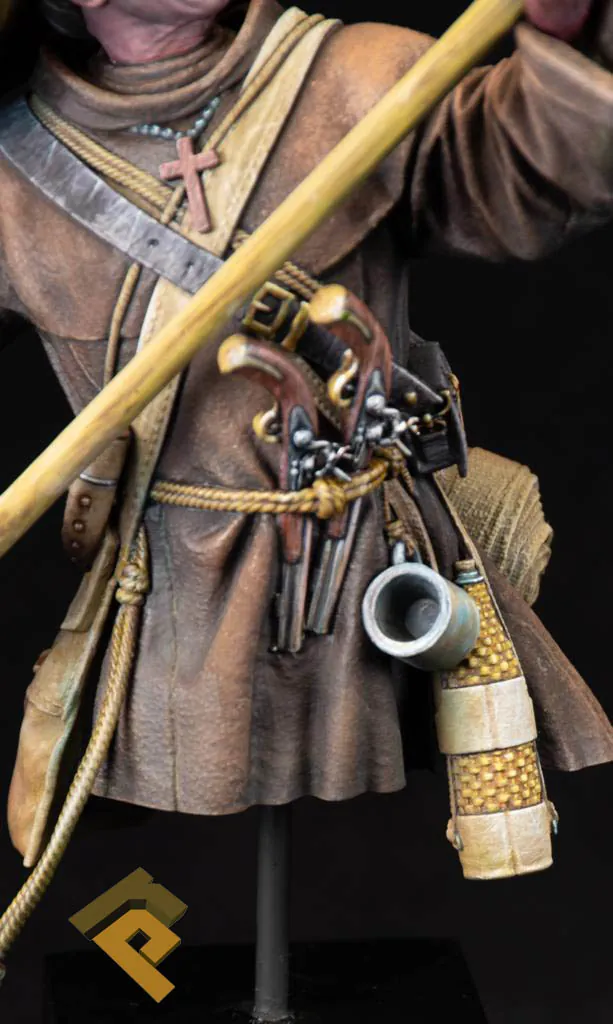
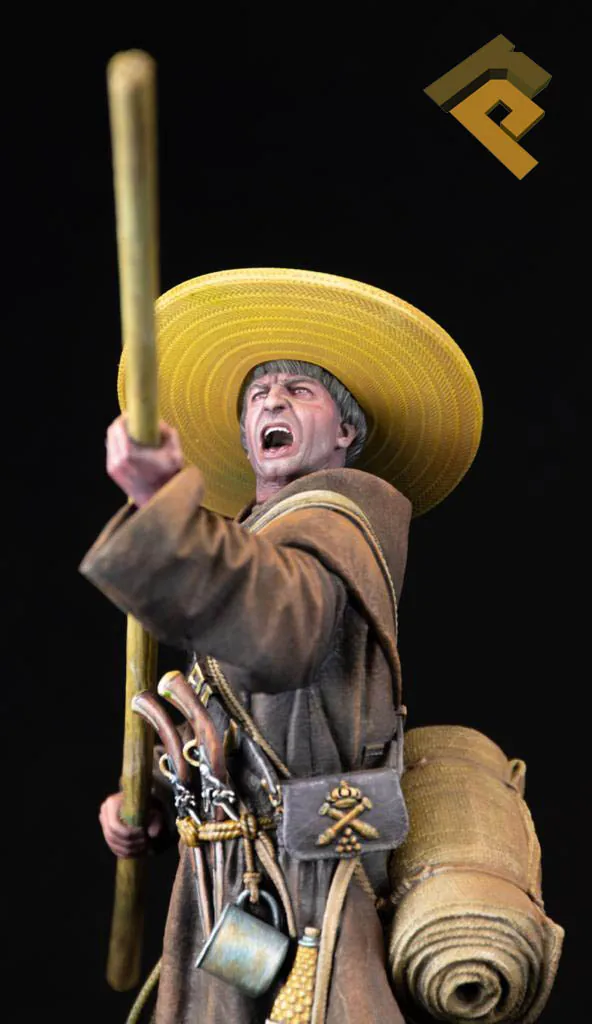
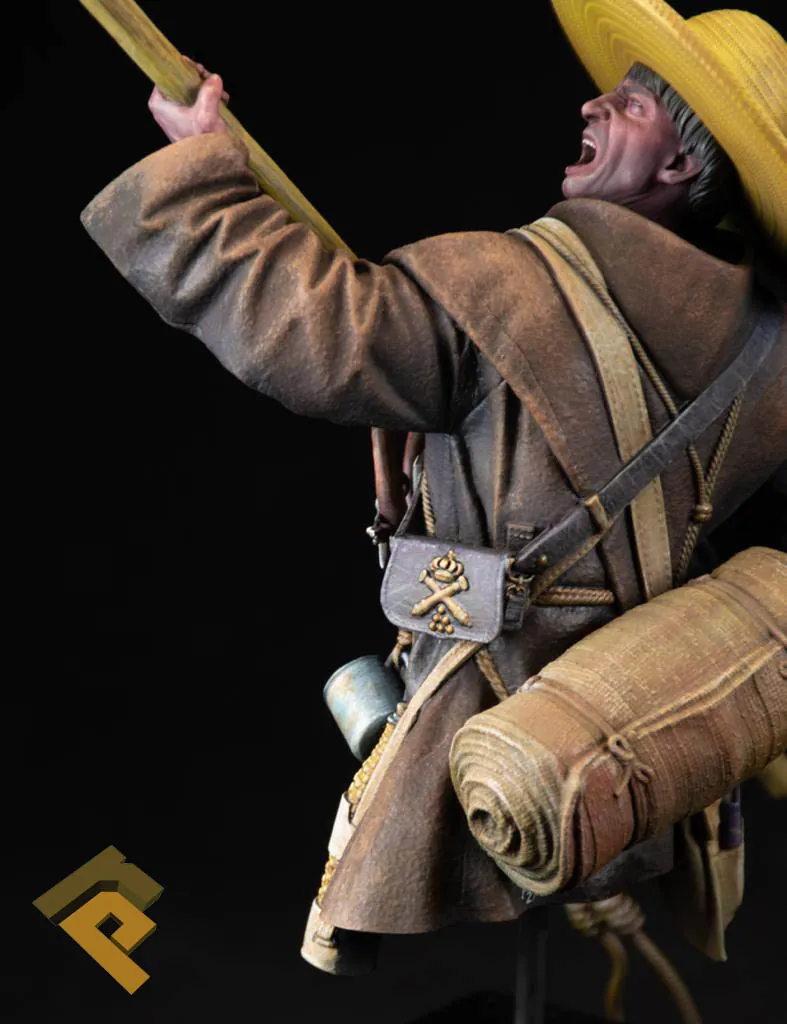
Description
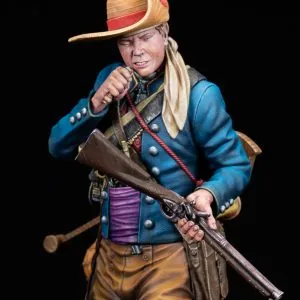
Guerrilla warfare in the Peninsular War refers to the armed actions carried out by irregular troops against Napoleon’s “Grande Armée” in Spain and Portugal during the Peninsular War. These armed men were a constant source of harassment for the French army, as a Prussian officer fighting for the French described: “Wherever we arrive, they disappear; whenever we leave, they arrive – they are everywhere and nowhere, they have no tangible centre that can be attacked.” The Peninsular War was significant in that it saw the first large-scale use of guerrilla warfare in European history and, as a result of the guerrillas, Napoleon’s troops were tied down in the Iberian Peninsula, unable to carry out military operations elsewhere on the continent. The pressure the guerrillas placed on the French troops led Napoleon to call the conflict the “Spanish Ulcer“.
A list drawn up in 1812 puts the number of these irregular troops in Spain alone at 38,520 men, divided into 22 guerrilla bands. There were several leaders, such as Francisco Abad Moreno “Chaleco“, Francisco Espoz y Mina, Joaquín Ibáñez, Francisco de Longa, Juan Martín Díez “El Empecinado”, Julián Sánchez García, known as “El Charro”, Jerónimo Merino, known as “El Cura Merino”, Martín Xavier Mina, Tomás de Zumalacárregui and others… Locally organised militias had already been deployed in Portugal and Spain, particularly in Catalonia and Valencia, where thousands of well-organised “miqueletes” (together with local militias known as “somatenes“) had already proved their worth in the Catalan revolt of 1640 and in the War of the Spanish Succession (1701–1714). Aware of the success of urban and rural guerrilla warfare so far, on 28 December 1808 the Supreme Central Junta issued the “Reglamento de partidas y Cuadrillas”, a decree regulating the formation of guerrilla troops. This was followed by further decrees in 1809 authorising the “Corso Terrestre” (“Land Privateers“) to keep for themselves all the money, supplies and equipment they could take from the French. In effect, in some cases this meant they were little more than bandits, feared by both the French troops and the civilian population. Little by little, these groups were incorporated into the regular Spanish army and their cabecillas (leaders) were given regular military ranks. The Spanish guerrillas frequently attacked the rear echelons of the “Grande Armée”, including its lines of communication and supply. These guerrillas were mostly ordinary civilians, predominantly from rural areas and usually conscripted. Their success in the conflict was due to the few men and the small amount of equipment and energy needed to hold a large area and disrupt French movements. Despite French victories in conventional warfare, the unconventional war simply could not be won. The strain of the guerrilla conflict put considerable pressure on Napoleon, who remarked that it was the affair “that killed me“.
By the end of 1809, the damage caused by the guerrillas led to the Dutch Brigade, under Major General Chassé, being deployed almost exclusively – and largely unsuccessfully – in counter-guerrilla warfare in La Mancha. In 1812, when Napoleon set off with a large army on what proved to be a disastrous French invasion of Russia, a combined allied army under Wellesley invaded Spain, defeating the French at Salamanca and taking the capital, Madrid. The following year, Wellington won a decisive victory over King Joseph Bonaparte’s army at the Battle of Vitoria. Pursued by the armies of Britain, Spain and Portugal, Marshal Jean-de-Dieu Soult, no longer receiving sufficient support from an exhausted France, led the weary and demoralised French forces in a fighting retreat across the Pyrenees during the winter of 1813–1814.
The years of fighting in Spain were a heavy burden on France’s “Grande Armée”. While the French were victorious in battle, they were ultimately defeated, as their communications and supplies were severely tested and their units were frequently isolated, harassed or overwhelmed by guerrillas fighting an intense war of raids and ambushes. The Spanish armies were repeatedly defeated and driven to the periphery, but they would regroup and relentlessly pursue and demoralise the French troops.
The Peninsular War is considered one of the first people’s wars, significant for the emergence of large-scale guerrilla warfare. It is from this conflict that the English language borrowed the word “guerrilla”. The guerrillas troubled the French troops, but also frightened their own compatriots with forced conscription and looting. Many of the partisans were fleeing the law or trying to get rich. Later in the war, the authorities tried to make the guerrillas more reliable. The French believed that enlightened absolutism had made less progress in Spain and Portugal than elsewhere, and that the resistance was the product of a century of what they saw as backwardness in knowledge and social habits, Catholic obscurantism, superstition and counter-revolution. Guerrilla fighting was the most effective tactic of the Portuguese and Spanish forces. Most organised attempts by regular Portuguese and Spanish forces to face the French ended in defeat. Once a battle was lost and the soldiers returned to their guerrilla roles, they tied down large numbers of French troops over a vast area at a much lower cost in men, energy and supplies, paving the way for the conventional victories of Wellington and his Anglo-Portuguese army and the subsequent liberation of Portugal and Spain. The mass resistance of the Spanish people inspired the war efforts of Austria, Russia and Prussia against Napoleon.

Reviews
There are no reviews yet.